

Christmas Day last year felt hollow, beginning with a new cycle. I spent Mass holding back tears as the priest’s homily centered on the beauty of birthing a biological child. I faked smiles for family portraits until I reached our car and finally broke down. I felt completely alone, grieving for my husband and me, thinking this wasn’t how Christmas should be.
At times, we’ve felt isolated in our faith community. Prayers of the faithful rarely address infertility, loss, foster care, or adoption. We’ve been asked, “How many children do you have?” when volunteering. At an All Saints Day party, after being asked how long we had been married (three years at the time), others shared their children’s ages and how quickly they conceived, then stopped talking to us, making us feel judged as the only childless couple at the event. We feel unwelcome in a world in which we’re trying to take part.
Yet, we were not made for this world. Jesus reminds us of this in John 17:15-18. Our identity is not defined by worldly standards (like parenthood), but by our relationship as children of God. Even in suffering, God uses us for His will, and our path is meaningful even if different from the majority.
Walking Together
As Catholics, we live in communion with one another, ministering to each other during both times of joy and sorrow. Infertility, however, can feel like a silent struggle, and this Infertility Awareness Month is a perfect opportunity for us to reflect on how we can better support ourselves and others on this path.
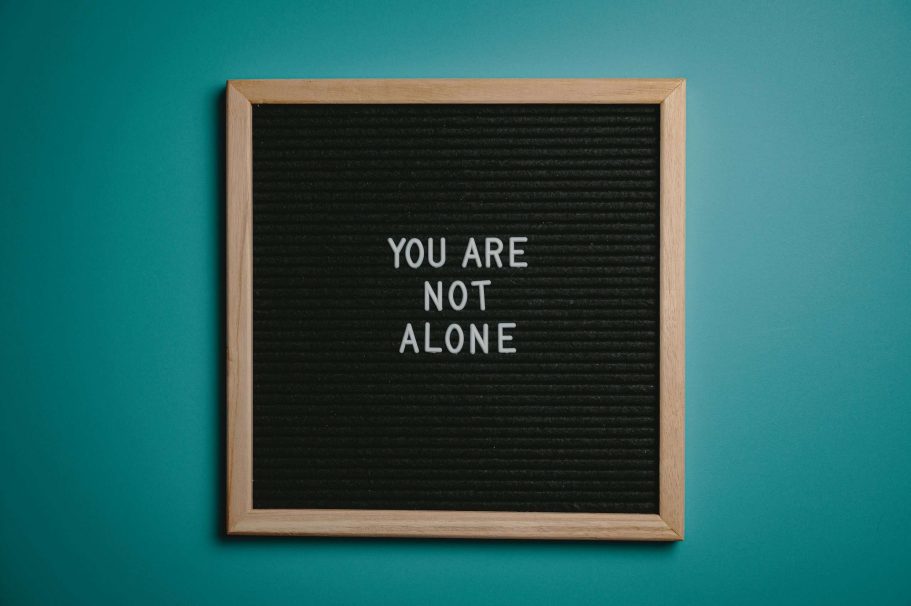
Catholic teaching emphasizes love, compassion, and accompaniment—being present for those suffering, offering a listening ear, and reminding one another we are not alone. As 1 Corinthians 12:26 says, ‘If one part suffers, all the parts suffer with it.” Likewise, Romans 12:15 says, “Rejoice with those who rejoice, weep with those who weep.” I’ve felt compassion and accompaniment through simple but meaningful actions of others:
- A church friend who visited after my NaPro surgery and continues to check in, offer support, and provide camaraderie.
- The priest who married us, teaching us meditative prayer even from afar.
- My husband’s unwavering support, planning ‘date days’ and sprinkling each week with humor.
- The supportive bedside manner of my NaPro doctor.
- The Women at the Well and Lenten support groups are so crucial in helping us feel less alone, validating our feelings, and connecting us with others who understand infertility struggles.
These gestures have had a profound impact on my spiritual and relational healing.
Speaking Up: What Catholics Need from the Church
While the Church offers spiritual and communal support, there is more that can be done to address the emotional and practical needs of couples struggling with infertility. The pain of infertility is often compounded by the silence or lack of understanding within our faith community. It’s essential for us to feel open about sharing our experiences when we choose to, knowing that the Church will offer empathy and care, not dismissal.
Springs in the Desert gave me the courage to advocate for infertility support in our diocese and parish, leading to meaningful changes in the last year. Our diocesan website now includes infertility resources and partnered with Springs in the Desert to host an ARISE small group, where I have made a new friend from our parish. During last year’s Infertility Awareness Month, our parish held an Adoration night, added prayers during Mass, and included resources in the bulletin.
When we advocate for ourselves, it brings visibility to the needs of all who face infertility and opens the door for more support from the Church. These are all small but significant steps toward creating a more inclusive and compassionate community that also recognizes the fruitfulness of all individuals and couples beyond the gift of a child.
Finding Strength in Faith and Self-Care
Ministering to ourselves is just as crucial as supporting others. Taking care of our physical, emotional, and spiritual well-being can provide the strength needed to navigate this difficult journey. While I still struggle at times with the ebbs and flows that come with infertility, I’ve found a few practices that help me.
- Prayer and Personal Reflection: Prayer has been my refuge during this journey filled with helplessness and sorrow. In one profound moment, I turned to prayer, imagining myself hugging Jesus. He embraced me back as we both cried. I asked why He was crying when He could fix this, and suddenly, the scene shifted to Mary and me comforting each other at the foot of the Cross. This moment reminded me that even God, in His suffering, didn’t make the pain go away, but He met me in it.
- Embracing the Sacraments: Attending Sunday and Friday daily Mass, receiving the Eucharist, and seeking Reconciliation have been powerful ways for me to heal. Even when I feel disconnected from the Church, the sacraments remind me that God is always present, offering grace and support.
- Self-Care and Mental Health: To manage stress and anxiety, I’ve found journaling, nature, therapy, and hobbies like crafting, travel, and hiking with our dog to be valuable outlets.
- Seeking Spiritual Guidance: A trusted priest or spiritual advisor can help guide us in times of uncertainty. Last year, I took the opportunity to ask Springs in the Desert’s spiritual director, Fr. Paul, for support. He has been such an incredible source of spiritual guidance, particularly when I haven’t been comfortable going to my local parish priests.
- Practicing Gratitude: Gratefulness allows me to shift the focus from the blessings I don’t have to those I do. Keeping a daily list of blessings, finding joy in the present, and reflecting on ways I am fruitful beyond motherhood allow me to see God’s hand in my life.
This Infertility Awareness Month, let’s remember the power of love and compassion in our journey as we continue to create a community that fosters healing and empathy.
This post was written by an anonymous Springs in the Desert Author.


Leave A Comment